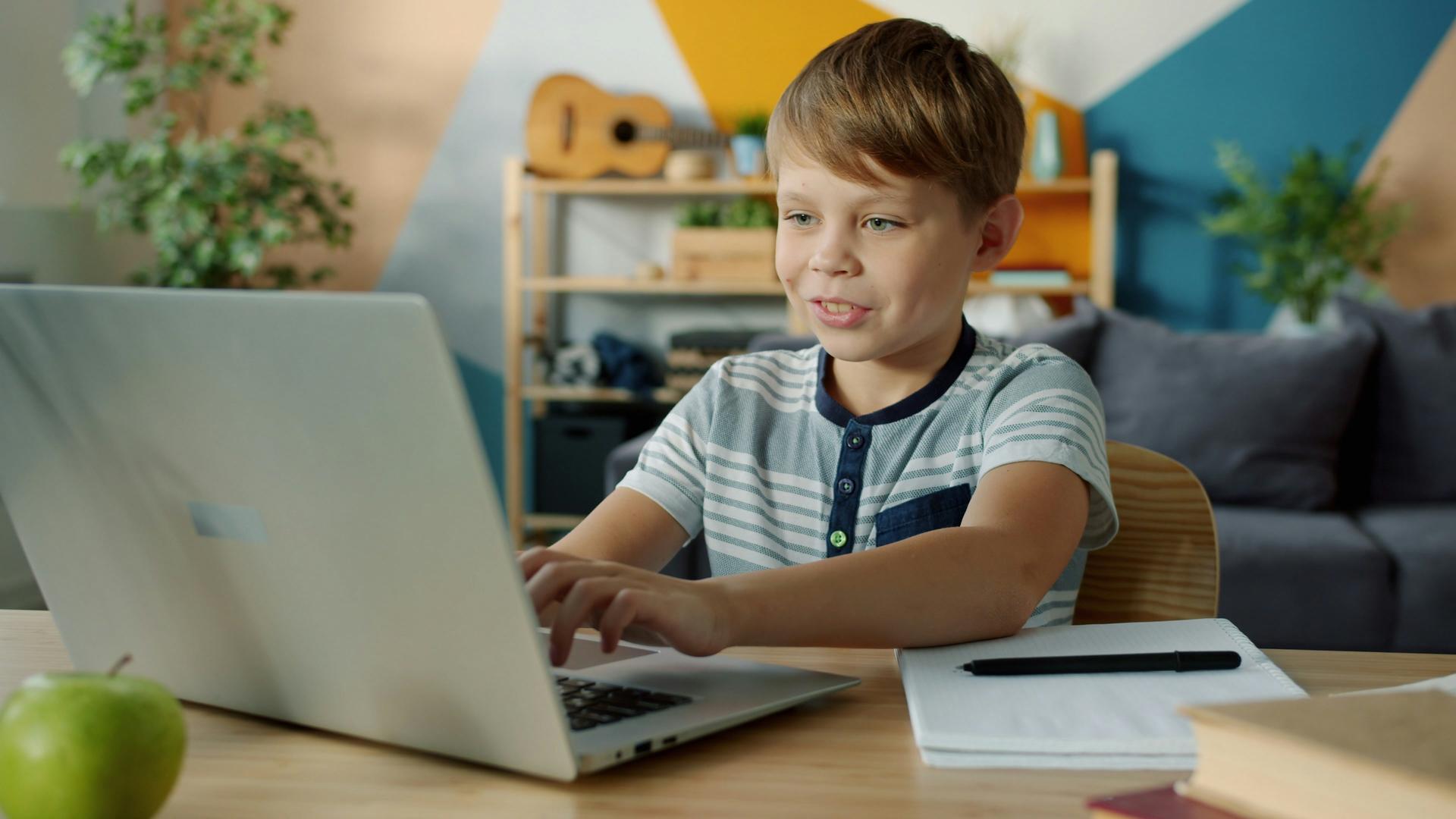
When people imagine the future of education, it's easy to picture classrooms full of screens, AI tutors, and automated grading systems. But the truth is more complex — and more hopeful. While technology is advancing at a rapid pace, the role of teachers remains as essential as ever. The challenge ahead isn't about choosing one over the other; it's about finding the right balance.
Why Technology Alone Isn't Enough
Digital tools and AI in classrooms are already making their way into daily teaching. From automated lesson generators to adaptive learning platforms, technology may reduce repetitive work where its output is suitable and the checking cost is manageable. These efficiencies are important, but they don't change the heart of teaching: the human connection.
Students don't just learn from content; they learn from encouragement, feedback, and the sense that someone believes in them. Learning is rarely linear or one-dimensional — it's a mix of skills, emotions, and experiences that unfold differently for every student. Some thrive on structure and clear steps, while others need space to explore and make connections in their own way.
No algorithm can replace the moment a teacher notices when a student is quietly struggling, reframes a question to spark understanding, or celebrates a small victory that builds confidence. These seemingly minor interactions often shape a student's willingness to persist, to take risks, and to see themselves as capable learners.
Technology can deliver resources, but only teachers can deliver relationships.
This is where the human side of teaching matters most. A lesson may deliver knowledge, but it's the relational work — encouragement, empathy, and the recognition of individuality — that transforms knowledge into growth. AI can support resource creation, but it cannot replicate the subtle, nuanced decisions teachers make in the flow of classroom life.
Lessons from Personalised Learning
One of the most exciting promises of technology is the chance to make learning more personalised. AI can help teachers adapt resources to different ability levels, adjust language complexity, or suggest alternative activities for a teacher to check. This makes differentiation more achievable, even in busy classrooms.
Still, personalisation is not just about content. It's about teachers knowing their students, their backgrounds, strengths, and challenges, and shaping lessons to make learning meaningful. Technology can help, but it cannot replace that judgment.
Supporting the Humans Behind the Work
Perhaps the bigger story isn't about what technology can do for students, but what it can do for teachers. Workload and burnout are growing concerns across education. Teachers regularly report working well beyond contracted hours, and many feel their energy stretched thin between planning, marking, administration, and the emotional work of supporting students.
This matters because teacher wellbeing and student success are deeply connected. A rested and energised teacher is better equipped to nurture curiosity, build confidence, and guide students toward their full potential. When a tool reduces formatting or drafting work after review, it may leave more time for teaching. Curriculum verification remains a teacher responsibility.
Supporting teachers means protecting their energy, so they can bring their best selves into the classroom.
The Balanced Classroom of the Future
So what does the future look like? Not classrooms run by machines, and not exhausted teachers doing it all alone. Instead, the most sustainable path forward is one where technology takes on the repetitive tasks, and teachers bring the empathy, creativity, and expertise that make learning truly human.
At the end of the day, the measure of balance is not just in how much time teachers save, but in how much students gain. When teachers have the space to focus on curiosity, relationships, and growth, students benefit most — not just academically, but in confidence, resilience, and the joy of learning.
Five questions before you use the draft
Before using a generated resource, ask:
- Is the curriculum reference correct and visible?
- Could I teach this sequence without rewriting every section?
- Are the activities and resources appropriate for my students and setting?
- Does the assessment show the intended learning?
- Did the tool save enough preparation time, including checking and editing, to justify using it again?
Try this workflow in Classmate
Start with a lesson you know well and see how the output scores against the five questions above.